Showing all 5 results

Power saws are essential tools for cutting wood, metal, plastic, and other materials efficiently. They are used by builders, woodworkers, carpenters, landscapers, farmers, and DIY enthusiasts. In Kenya, a wide range of power saws are available, from electric circular saws and reciprocating saws to gasoline‑powered chain saws, each suited to different cutting tasks and project sizes.
A power saw is a mechanical cutting tool that uses a rotating blade or chain driven by electricity, petrol, or batteries to make precise cuts in many materials. Common types include:
Circular saws – electric saws with round blades for wood, metal, and masonry cutting.
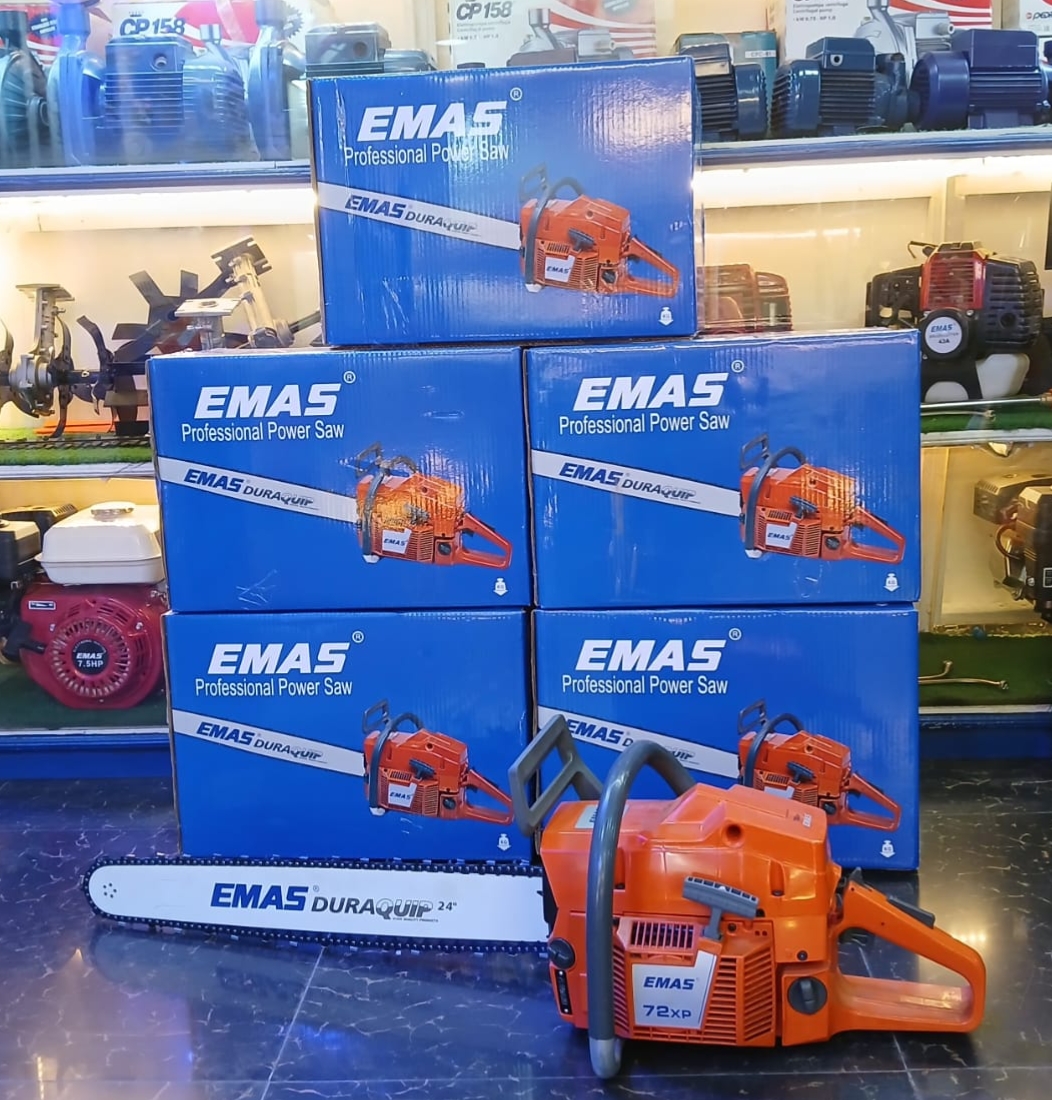
Chain saws – petrol or electric saws with a chain‑linked blade, typically used for felling trees, cutting logs, and heavy timber cutting.
Reciprocating saws – electric saws with a back‑and‑forth blade motion ideal for demolition and rough cuts.
Jigsaws and mitre saws – specialized saws for detailed or angled cutting.
Power saws raise productivity, reduce manual effort, and improve precision compared to hand saws.
The prices below are based on current market offerings from Kenyan suppliers. Prices vary by brand, power source, capacity, and supplier.
| Saw Type | Typical Capacity / Power | Approx. Price (KSh) | Typical Use |
|---|---|---|---|
| Electric Circular Saw (1400W) | 1400 W | 7,000 – 9,600 KSh | Cutting wood and light material |
| Electric Circular Saw (1600W) | 1600 W | 8,500 – 11,500 KSh | Medium cutting jobs |
| Electric Circular Saw (2200W) | 2200 W | 11,000 – 14,399 KSh | Heavy cutting, thicker timber |
| Gasoline Chain Saw (e.g., 24″ petrol) | 60–72 cc | 30,000 – 35,000 KSh | Tree cutting, landscaping |
| Reciprocating Saw (1200W) | 1200 W | ~27,500 KSh | Demolition and mixed‑material cutting |
Prices can be higher for premium professional or branded saws, and lower for entry‑level or imported models. Fuel‑powered chain saws typically cost more than electric saws due to their larger engines and greater cutting capacity.
Electric circular saws are versatile and widely used across construction, woodworking, and DIY projects. They can cut wood, laminates, plastics, and with appropriate blades, some metals. They operate from mains power (220‑240 V). Typical features include adjustable cutting depth, bevel cutting capability, and blade sizes around 185 mm to 235 mm.
Petrol chain saws deliver high cutting power and mobility since they do not require a power cord. They are ideal for felling trees, pruning large branches, and cutting firewood. Common engine sizes are around 60 cc to 72 cc.
Reciprocating saws are handheld tools with a push‑pull motion. They are suitable for demolition tasks, pipe cutting, and rough cutting where precision is less important. Higher‑capacity models (around 1200 W) perform well for demanding jobs.
Jigsaws offer fine, curved cuts and are useful for interior woodwork. Mitre saws combine precision and angle cutting for frames, trims, and detailed carpentry. These are usually electric and come in various power ratings.
When choosing a power saw in Kenya, consider the following:
1. Power Source
Electric saws are ideal for workshops or sites with mains power.
Gasoline saws are preferred where portability is critical.
2. Cutting Capacity
Higher wattage or engine size allows deeper and faster cuts. For heavy timber and professional use, 1600 W+ electric saws or petrol chain saws are better options.
3. Blade Type and Size
Blade diameter affects cutting depth. Common blade sizes for circular saws range from 185 mm to 235 mm.
4. Safety Features
Look for blade guards, ergonomic handles, electric brakes, and vibration reduction. These improve user comfort and safety.
5. Intended Use
Heavy construction work may require high‑power saws, while light DIY jobs can be handled by lower‑power models.
Power saws in Kenya are used for:
Wooden furniture and cabinetry cutting
Construction site cutting of boards, plywood, and framing materials
Cutting plastic and lightweight metal with appropriate blades
Tree cutting and firewood preparation using chain saws
Demolition and renovation cuts using reciprocating saws
Power saws save time and effort and improve precision compared with manual alternatives.
Using power saws safely is essential:
Always wear protective gear including goggles, gloves, and ear protection.
Ensure blades are sharp and correctly installed.
Disconnect power before changing blades or servicing.
For gasoline saws, maintain proper fuel mixture, clean air filters, and inspect chains regularly.
Proper maintenance extends tool lifespan and improves performance.