
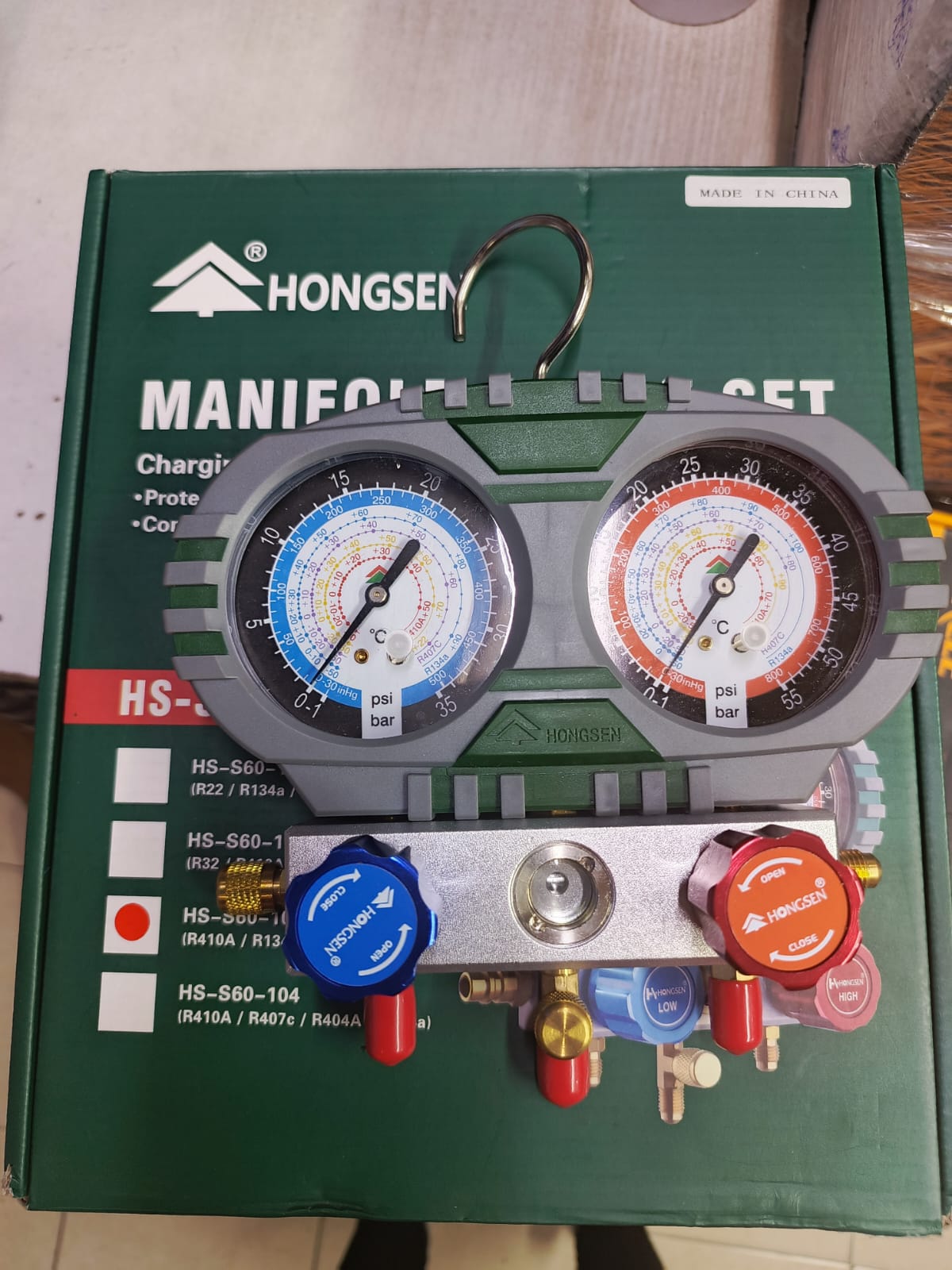
Description


A gas regulator is an essential safety device that controls and reduces the high pressure of liquefied petroleum gas (LPG) inside a gas cylinder to a safe and consistent pressure suitable for gas cookers, burners, ovens, grills and other LPG appliances.
Without a regulator, the high pressure inside the cylinder would make it unsafe to operate household gas appliances. A quality gas regulator ensures a steady gas flow, improves fuel efficiency and enhances cooking performance.
Most domestic LPG regulators are designed for low-pressure applications, typically delivering an outlet pressure of 28–37 mbar, depending on the gas type and local standards. Commercial and industrial regulators are available with higher flow capacities for larger equipment.
Quick Specifications
| Feature | Typical Specification |
|---|---|
| Product Name | LPG Gas Regulator |
| Gas Type | Liquefied Petroleum Gas (LPG) |
| Application | Domestic and Commercial |
| Inlet Connection | LPG Cylinder Valve |
| Outlet Connection | Hose Nozzle or Threaded Connection |
| Outlet Pressure | 28–37 mbar (model dependent) |
| Flow Capacity | Up to 1.5 kg/h or higher (model dependent) |
| Material | Brass, Zinc Alloy and Reinforced Plastic |
| Safety Lock | Yes (selected models) |
| Compatible Appliances | Gas Cookers, Burners, Ovens and Grills |
Main Features
Stable Gas Pressure
The regulator automatically reduces the high pressure inside the LPG cylinder to a safe operating pressure.
Benefits include:
- Smooth flame control
- Improved cooking performance
- Better fuel efficiency
- Reduced gas wastage
- Enhanced appliance safety
Durable Construction
Most quality regulators are manufactured using:
- Brass internal components
- Zinc alloy body
- Reinforced engineering plastic
- Corrosion-resistant seals
These materials provide durability and long service life under normal operating conditions.
Leak-Resistant Design
Modern regulators incorporate precision sealing components to help minimise gas leakage when correctly installed and maintained.
Always inspect the regulator, hose and connections regularly for signs of wear or damage.
Easy Installation
Most domestic gas regulators are designed for quick installation.
Simply:
- Connect the regulator to the cylinder valve.
- Attach the gas hose securely.
- Tighten hose clamps where required.
- Check all connections for leaks before use.
Consistent Flame Performance
A good regulator helps maintain a steady flame even as the gas level inside the cylinder decreases.
This improves:
- Cooking efficiency
- Heat consistency
- Appliance performance
Compact and Lightweight
The compact design makes the regulator easy to:
- Install
- Remove
- Transport
- Store
Safety Lock Mechanism
Many modern LPG regulators include a locking lever that secures the regulator firmly to the cylinder valve.
This helps reduce accidental disconnection during normal use.
Applications
A gas regulator is suitable for:
Domestic Cooking
Used with:
- Gas cookers
- Single burners
- Double burners
- Table-top stoves
Restaurants
Suitable for:
- Commercial cookers
- Gas ovens
- Grills
- Catering equipment
Hotels
Provides reliable gas pressure for:
- Kitchens
- Outdoor cooking stations
- Food preparation areas
Camping
Used with compatible portable LPG cooking equipment and camping stoves.
Outdoor Cooking
Suitable for:
- Barbecue grills
- Outdoor burners
- Fish fryers
- Catering equipment
Always ensure the regulator matches the appliance and cylinder type.
How a Gas Regulator Works
Inside the regulator is a spring-loaded diaphragm that automatically adjusts gas flow.
When the cylinder valve is opened:
- High-pressure gas enters the regulator.
- The diaphragm reduces the pressure.
- Gas exits at a controlled pressure.
- The appliance receives a steady and safe gas supply.
As gas demand changes during cooking, the regulator adjusts automatically to help maintain consistent outlet pressure.
Types of Gas Regulators
Low-Pressure Regulator
Suitable for:
- Domestic cookers
- Household burners
- LPG stoves
Adjustable Regulator
Allows controlled adjustment of gas pressure for compatible equipment.
Commonly used with:
- Gas burners
- Barbecue grills
- Industrial heating equipment
High-Pressure Regulator
Designed for higher-output LPG equipment such as roofing torches, industrial burners and some commercial heating systems.
Use only where specified by the appliance manufacturer.
Automatic Changeover Regulator
Used with two LPG cylinders.
Automatically switches to the second cylinder when the first becomes empty, reducing interruptions in gas supply.
Advantages
- Improves safety
- Provides stable gas pressure
- Enhances fuel efficiency
- Easy to install
- Durable construction
- Suitable for domestic and commercial use
- Compact design
- Long service life
- Reliable performance
- Low maintenance
Gas Regulator vs Gas Valve
| Feature | Gas Regulator | Gas Valve |
|---|---|---|
| Controls Pressure | Yes | No |
| Opens and Closes Gas Flow | Limited | Yes |
| Maintains Constant Pressure | Yes | No |
| Safety Device | Yes | No |
How to Install a Gas Regulator
Step 1
Ensure the cylinder valve is closed.
Step 2
Inspect the regulator and hose for damage.
Step 3
Connect the regulator securely to the LPG cylinder.
Step 4
Attach the gas hose and tighten the clamps.
Step 5
Open the cylinder valve slowly.
Step 6
Apply a soap-and-water solution to all joints and look for bubbles to check for leaks.
Step 7
If bubbles appear, close the valve immediately and correct the leak before using the appliance.
Never use a flame to check for gas leaks.
Safety Tips
- Use only a regulator designed for your cylinder type.
- Replace cracked or worn gas hoses immediately.
- Keep the regulator clean and dry.
- Close the cylinder valve after use.
- Store LPG cylinders upright in a well-ventilated area.
- Keep away from open flames during installation.
- Have damaged regulators replaced rather than repaired.
Maintenance
- Clean the regulator regularly with a dry cloth.
- Inspect the hose and clamps frequently.
- Replace damaged seals promptly.
- Check for leaks after reconnecting the cylinder.
- Store away from excessive heat and direct sunlight.
- Replace the regulator if it shows signs of corrosion or mechanical damage.
How to Choose the Best Gas Regulator
Before purchasing, consider:
- Compatibility with your LPG cylinder
- Correct outlet pressure
- Flow capacity
- Build quality
- Brass internal components
- Certified safety standards
- Hose compatibility
- Ease of installation
- Warranty
Package Contents
A standard package may include:
- 1 × LPG Gas Regulator
- Hose connector
- User manual
Some kits also include:
- LPG hose
- Two hose clamps
- Protective cap
Gas Regulator Price in Kenya
Prices vary depending on the regulator type, brand and included accessories.
| Type | Estimated Price |
|---|---|
| Standard Domestic LPG Regulator | KSh 700–1,500 |
| Regulator with Hose and Clamps | KSh 1,200–2,500 |
| Adjustable LPG Regulator | KSh 2,000–4,500 |
| Heavy-Duty Commercial Regulator | KSh 3,500–8,000 |
Premium regulators with reinforced brass components and complete installation kits generally cost more than standard domestic models.
Why Buy a Gas Regulator?
A gas regulator is one of the most important safety components in any LPG cooking system. It ensures a stable and controlled supply of gas from the cylinder to your appliance, helping improve cooking efficiency while reducing the risk of unsafe pressure levels.
Whether you are using LPG at home, in a restaurant or for outdoor cooking, choosing a high-quality gas regulator helps extend appliance life, improve fuel economy and provide dependable everyday performance.
Frequently Asked Questions
What is a gas regulator used for?
A gas regulator reduces the high pressure of LPG inside the cylinder to a safe operating pressure for gas appliances.
Can one regulator fit every LPG cylinder?
No. Regulators are designed for specific cylinder valve types and standards. Always choose one that matches your cylinder and appliance.
How do I know if my regulator is faulty?
Common signs include:
- Gas leaks
- Weak or unstable flame
- Difficulty controlling the burner
- Visible damage or corrosion
- A regulator that no longer locks securely
How can I test for leaks?
Use a soap-and-water solution on the regulator, hose and connections. If bubbles form, there is a leak. Never use a flame to test for leaks.
Should I replace the gas hose when changing the regulator?
If the hose is cracked, hardened, worn or past its recommended service life, it should be replaced along with the regulator.
Can I use a domestic regulator on commercial equipment?
Only if the appliance manufacturer specifies that it is compatible. Commercial equipment often requires regulators with higher flow capacities.
How long does a gas regulator last?
Service life depends on usage, environmental conditions and manufacturer recommendations. Inspect it regularly and replace it if damaged, leaking or worn.
What is the price of a gas regulator in Kenya?
Standard domestic LPG regulators typically cost KSh 700–1,500, while complete kits with a hose and clamps generally range from KSh 1,200–2,500. Heavy-duty commercial regulators are usually priced from KSh 3,500 upwards.
Reviews
There are no reviews yet.