Showing all 2 results


Borehole pumps are specialized water pumps designed to draw water from deep underground sources. In Kenya, they are widely used in homes, farms, schools, estates, and commercial properties where reliable water supply is essential.
This guide explains the types of borehole pumps, their uses, prices in Kenya, and how to choose the right one.
A borehole pump is a type of pump built to lift water from deep wells (boreholes), often ranging from 20 meters to over 300 meters deep.
These pumps are typically:
Submersible (installed inside the borehole)
Powered by electricity, solar energy, or sometimes generators
They are designed to handle high pressure (head) and deliver water efficiently over long distances.
These are the most common borehole pumps in Kenya. They are installed deep inside the borehole and push water upward.
Best for:
Deep boreholes (20m – 300m+)
Domestic and commercial water supply
Power range: 0.5HP to 10HP+
Advantages:
Highly efficient
Quiet operation
Long lifespan
Suitable for deep water levels
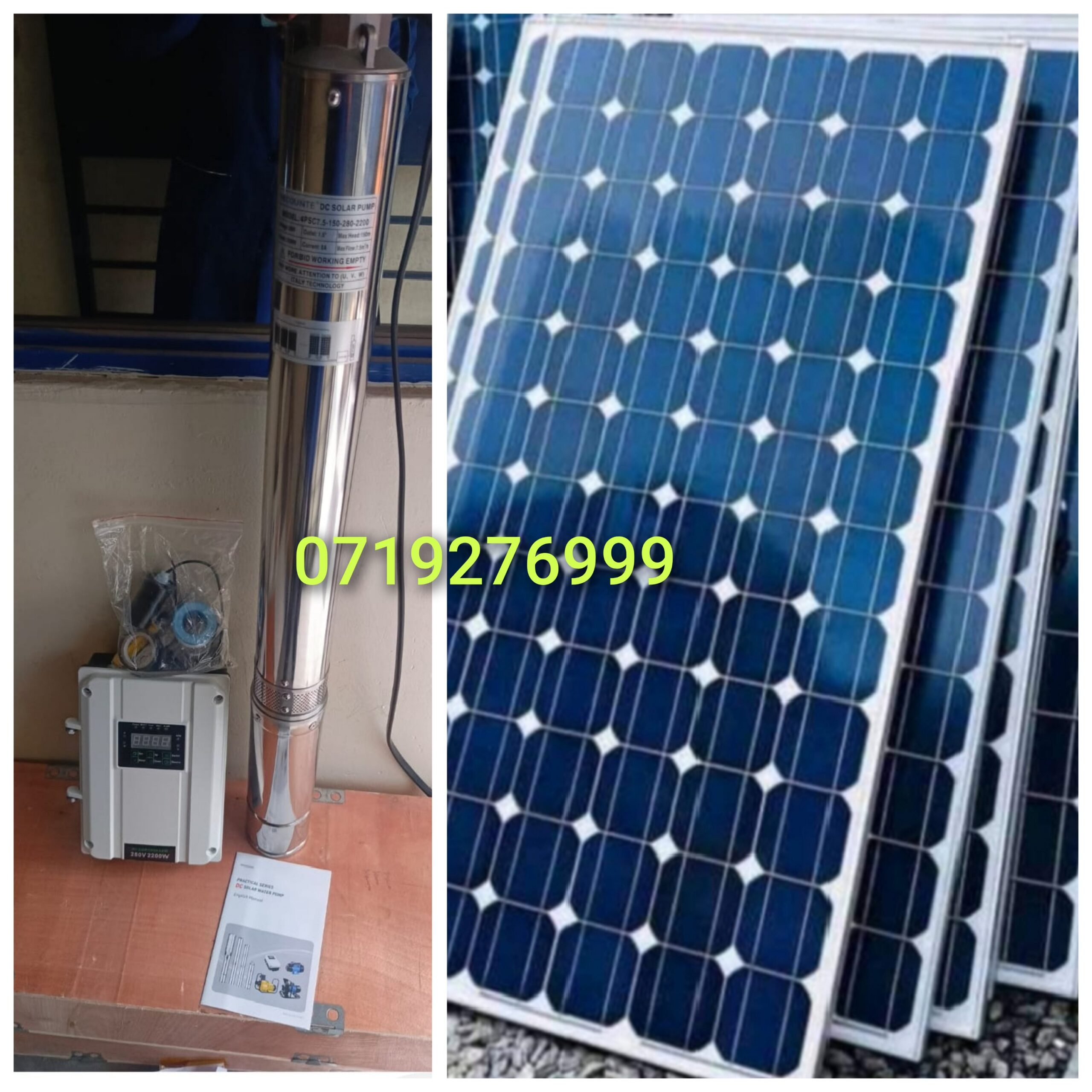
These pumps use solar panels to power submersible systems.
Best for:
Off-grid areas
Farms and rural homes
Key components:
Solar panels
Pump controller
Submersible pump
Advantages:
No electricity bills
Low running cost
Environmentally friendly
Powered directly by grid electricity or generators.
Best for:
Urban and peri-urban homes
Commercial buildings
Advantages:
Stable and reliable
High performance
Lower upfront cost than solar systems
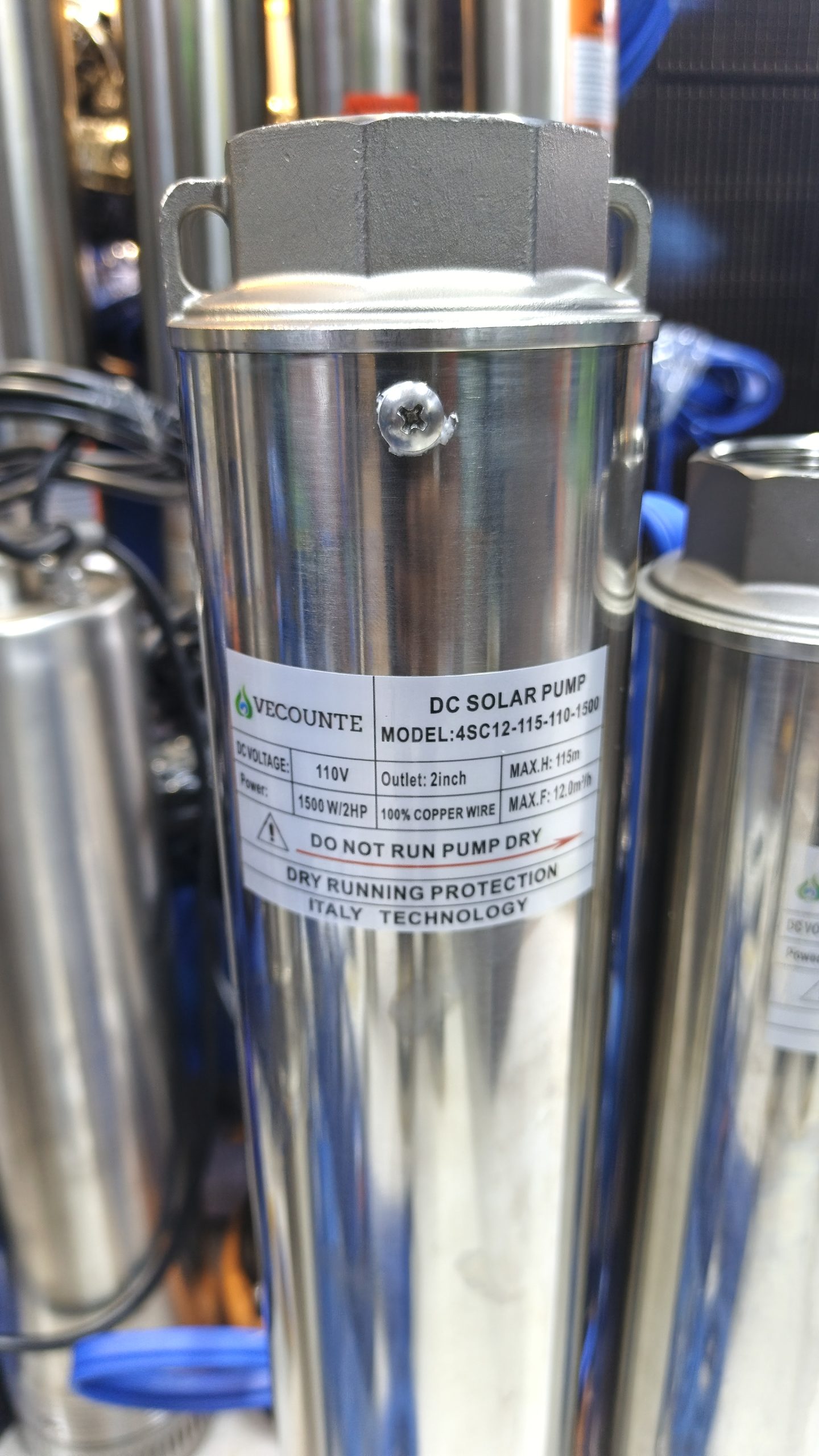
These pumps run on direct current, often from solar panels or batteries.
Best for:
Small to medium boreholes
Solar-powered setups
Prices vary depending on depth, brand, and specifications.
| Pump Type | Power Source | Typical Price (KSh) | Notes |
|---|---|---|---|
| Small Borehole Pump (0.5HP–1HP) | Electric | 15,000 – 35,000 | Shallow boreholes (≤50m) |
| Medium Borehole Pump (1.5–3HP) | Electric | 35,000 – 90,000 | Common home use |
| Deep Borehole Pump (4HP–7.5HP) | Electric | 90,000 – 250,000+ | Deep wells (100m+) |
| High Capacity (8HP–10HP+) | Electric | 250,000 – 600,000+ | Commercial/large farms |
| Solar Borehole Pump Kit | Solar | 80,000 – 500,000+ | Includes panels & controller |
| DC Solar Borehole Pump | Solar | 40,000 – 150,000 | Smaller systems |
Installation costs (pipes, cables, labor) are usually separate.
Deeper boreholes require more powerful (and expensive) pumps.
Higher horsepower = higher cost but more lifting capacity.
Homes vs farms vs commercial properties need different flow rates.
Solar systems cost more upfront
Electric pumps are cheaper initially but have ongoing power costs
Stainless steel pumps last longer but cost more than plastic or cast iron.
Static water level (where water sits)
Total depth of the borehole
This includes:
Vertical lift (depth)
Horizontal distance
Pressure needed (e.g., tanks, taps)
Household: 1–3 m³ per hour
Small farm: 3–10 m³ per hour
Large farm/commercial: 10 m³+ per hour
Electric: reliable and affordable in towns
Solar: best for remote/off-grid
Generator: backup option
Check:
Flow rate (L/min or m³/hr)
Maximum head (meters)
Voltage compatibility
Use qualified technicians for installation
Ensure correct cable sizing and pipe quality
Install non-return valves to prevent backflow
Protect the system with a control panel or pump controller
Install a water level sensor to prevent dry running
Service the pump every 6–12 months
Check electrical connections regularly
Clean or replace filters
Monitor unusual noise or reduced water flow
Protect solar panels from dust and shading (for solar systems)
Reliable Water Supply
Independent from municipal water shortages.
Long-Term Cost Savings
Especially with solar-powered systems.
Improved Farming Output
Consistent irrigation increases yields.
Convenience
Automatic water supply to tanks and homes.
Supports Large Water Needs
Ideal for estates, schools, and livestock farms.