Showing 1–16 of 34 results


Submersible pumps are one of the most reliable and widely used water pumps in Kenya. They are designed to operate fully submerged in water, making them highly efficient for drawing water from boreholes, wells, tanks, and reservoirs.
This guide explains the types, uses, pricing, and how to choose the right submersible pump.
A submersible pump is a sealed pump that works underwater, pushing water to the surface rather than pulling it. Because of this design, it avoids common problems like suction loss and air leaks.
These pumps are commonly used for:
Borehole water extraction
Well water supply
Tank filling
Irrigation systems
Drainage and wastewater removal
These are long, narrow pumps designed to fit inside boreholes.
Best for:
Deep wells and boreholes
Domestic and commercial water supply
Advantages:
High efficiency at great depths
Reliable long-term performance
Used in shallow or medium-depth wells.
Best for:
Rural homes
Small farms
Advantages:
Easy installation
Lower cost compared to deep borehole pumps
Built to remove water from flooded areas or tanks.
Best for:
Flood control
Construction sites
Basements and pits
Designed to handle wastewater that may contain solids.
Best for:
Wastewater systems
Septic tanks
Industrial use
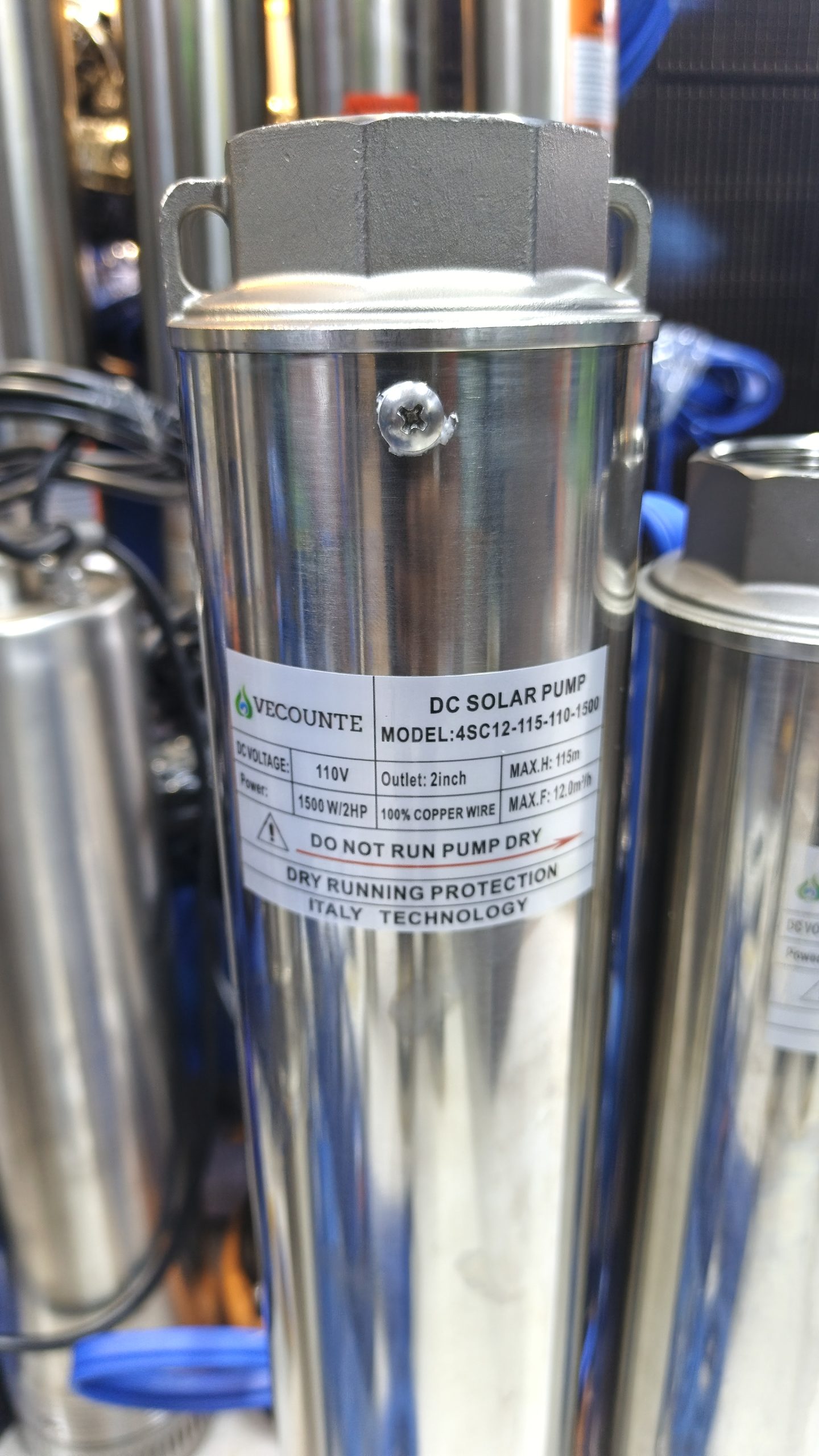
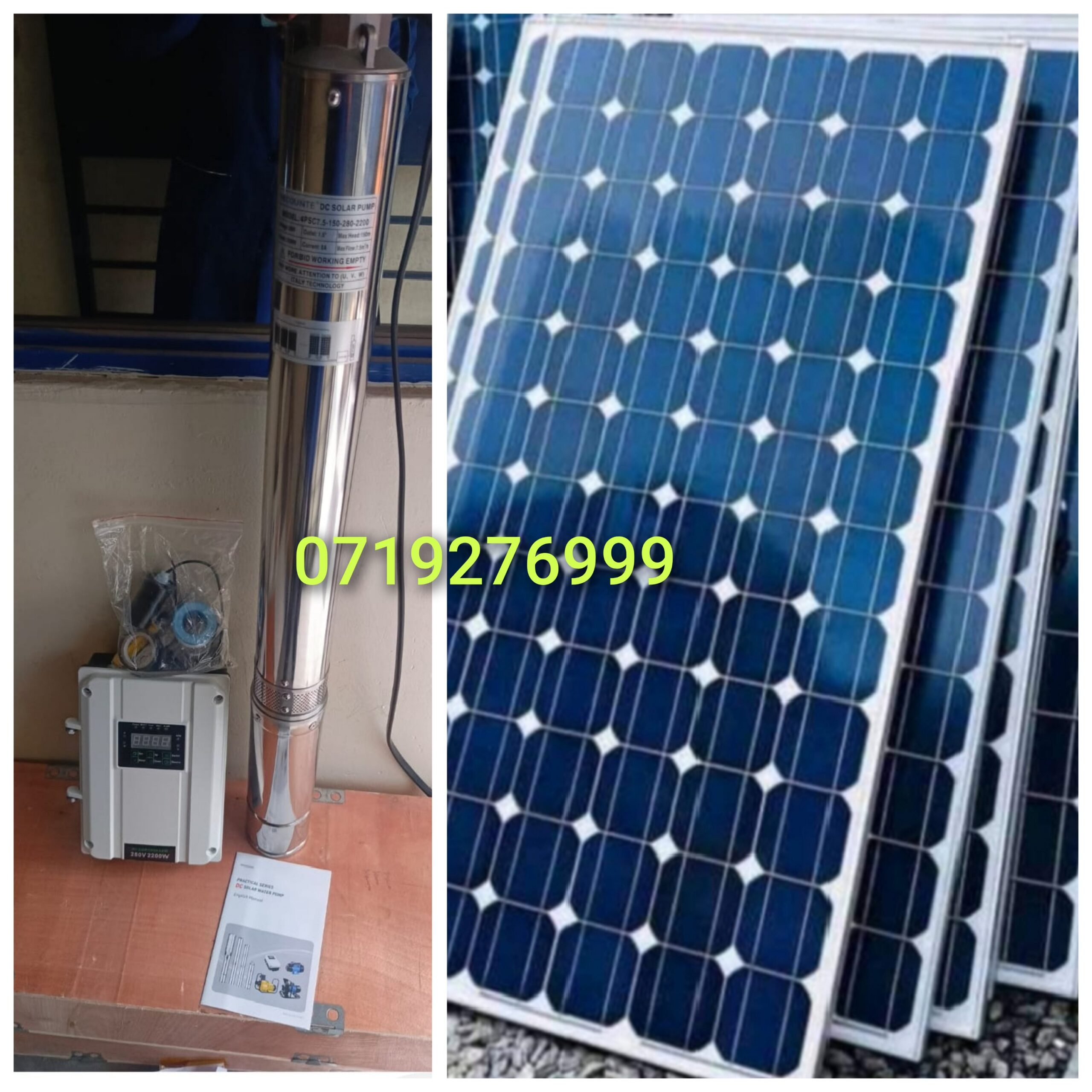
Submersible pumps powered by solar energy systems.
Best for:
Off-grid boreholes
Farms and remote homes
Prices depend on pump size, depth capacity, and materials.
| Pump Type | Power Range | Typical Price (KSh) | Notes |
|---|---|---|---|
| Small Submersible Pump | 0.5HP – 1HP | 9,000 – 25,000 | Shallow wells and tanks |
| Medium Submersible Pump | 1HP – 2HP | 25,000 – 60,000 | Common household use |
| Deep Borehole Submersible Pump | 2HP – 5HP | 60,000 – 180,000 | Deep water extraction |
| High Capacity Submersible Pump | 5HP+ | 180,000 – 400,000+ | Farms and commercial systems |
| Drainage Submersible Pump | — | 8,000 – 35,000 | Flood and wastewater removal |
| Sewage Submersible Pump | — | 20,000 – 100,000 | Handles solids and waste |
Installation costs, cables, and pipes are usually not included.
Pumps designed for deeper water require stronger motors and cost more.
Higher horsepower increases pumping capacity and price.
Stainless steel pumps resist corrosion and last longer.
Specialized pumps such as sewage or solar systems cost more than basic models.
Well-known brands with better durability and warranty tend to be priced higher.
Borehole
Well
Tank
Drainage area
Know how deep the pump will be installed and how high water must be lifted.
Household use
Irrigation
Commercial supply
Look at:
Flow rate
Maximum head
Power requirements
Electric for grid-connected areas
Solar for off-grid locations
Use qualified technicians for deep installations
Ensure proper cable sizing and waterproof connections
Install a control box for protection
Use strong pipes suitable for pressure
Service the pump periodically
Check electrical connections
Monitor water output for changes
Avoid running the pump without water
Inspect for wear or damage
High Efficiency
Pushes water instead of pulling, reducing energy loss.
Quiet Operation
Operates underwater with minimal noise.
Reliable Performance
Works well for both shallow and deep water sources.
Space Saving
Installed inside the water, requiring less external space.
Long Lifespan
Protected from weather and external damage.