Showing all 3 results
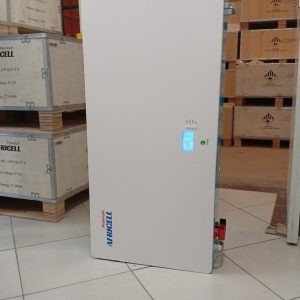


Solar batteries store electricity generated by solar panels for use at night or during power outages. In Kenya, they are widely used in homes, businesses, and off-grid setups to provide reliable backup power and reduce dependence on the grid.
They are a key part of any solar system, helping ensure continuous power supply even when sunlight is not available.
Solar batteries are energy storage units that keep excess electricity produced during the day for later use. They work with inverters and solar panels to form a complete power system.
They are used for:
Backup power during blackouts
Night-time electricity supply
Off-grid living in rural areas
Reducing electricity bills
Most modern and efficient option
Longer lifespan (5–10+ years)
Faster charging and deeper discharge
Lower upfront cost
Widely available in Kenya
Shorter lifespan (2–5 years)
A type of sealed lead-acid battery
Better performance than standard lead-acid
Requires less maintenance
Sealed and maintenance-free
Good for backup systems
Moderate lifespan and cost
Prices depend on battery type, capacity, and brand.
| Battery Type | Typical Capacity | Approx. Price (KSh) |
|---|---|---|
| Lead-Acid Battery | 100Ah – 200Ah (12V) | 12,000 – 30,000 |
| Gel Battery | 150Ah – 200Ah | 25,000 – 45,000 |
| AGM Battery | 100Ah – 200Ah | 20,000 – 40,000 |
| Lithium Battery | 2.5kWh – 5kWh | 120,000 – 300,000 |
| Lithium Battery (Large) | 5kWh – 10kWh+ | 300,000 – 700,000+ |
Prices vary depending on brand, quality, and supplier in Kenya.
Reliable Backup Power:
Provides electricity during outages and at night.
Energy Independence:
Reduces reliance on grid electricity and fuel generators.
Cost Savings Over Time:
Stores solar energy for use instead of buying power from the grid.
Low Maintenance Options:
Lithium batteries require little to no maintenance.
1. Capacity (Ah or kWh)
Higher capacity means longer backup time.
2. Battery Type
Lithium → best performance and lifespan
Lead-acid → lower cost but shorter life
3. Depth of Discharge (DoD)
Lithium batteries allow deeper use of stored energy.
4. Cycle Life
More cycles mean longer battery life.
5. Budget
Balance upfront cost with long-term value.
Solar batteries are commonly used for:
Home backup power systems
Solar installations in rural areas
Shops and small businesses
Offices and clinics
Telecom and security systems
Avoid over-discharging batteries
Keep batteries in a cool, dry place
Check connections regularly
Use a proper charge controller
Follow manufacturer guidelines
Solar batteries are essential for storing energy in solar systems across Kenya. Prices range from about KSh 12,000 for small lead-acid batteries to over KSh 700,000 for large lithium systems. Choosing the right battery depends on your energy needs, budget, and how long you need backup power.