Showing 1–16 of 20 results


Solar water pumps use energy from the sun to move water, offering a reliable and cost-effective solution for homes and farms across Kenya. They are especially popular in remote and off-grid areas where electricity is unavailable or expensive.
This guide covers the types of solar water pumps, their uses, price ranges, and how to choose the right system.
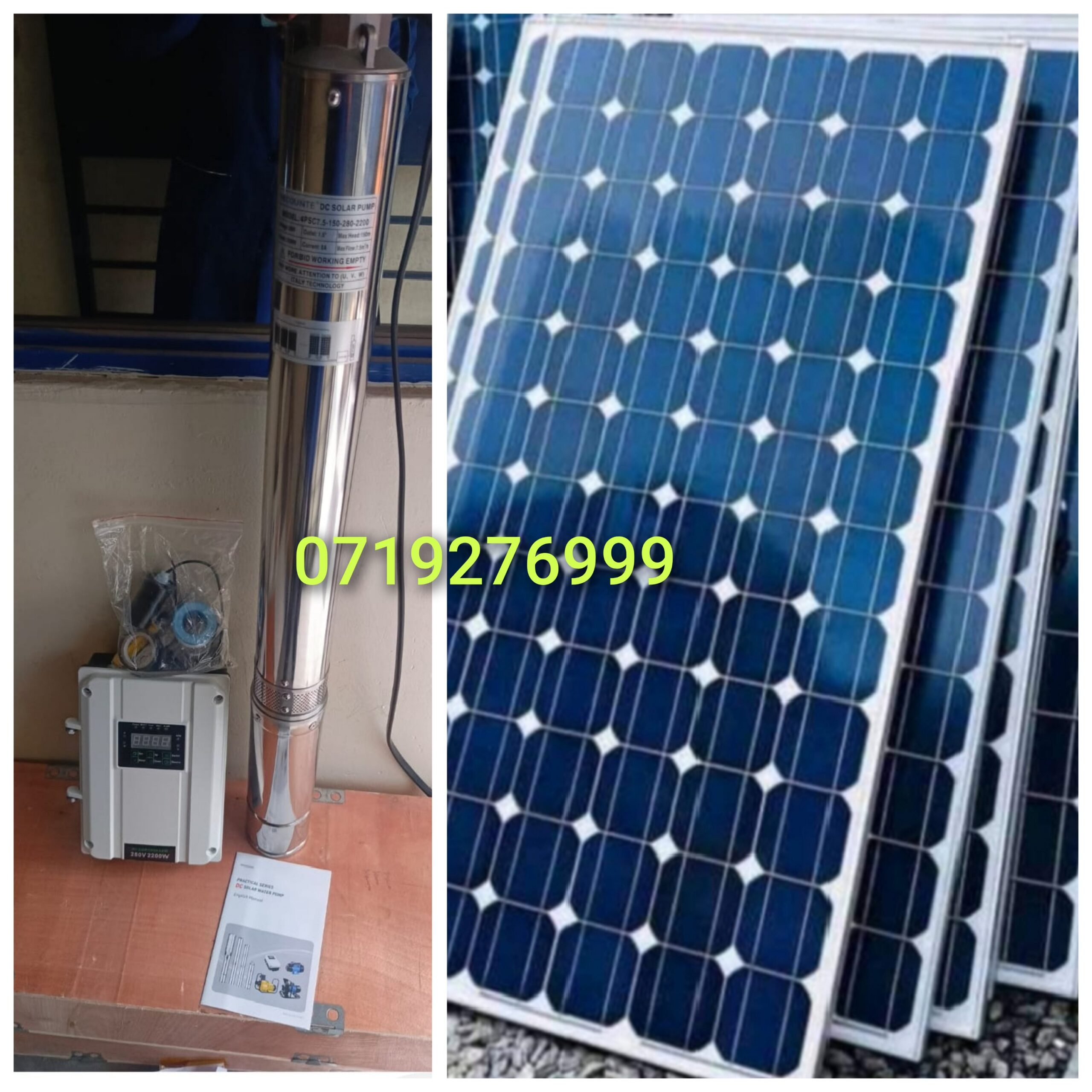
A solar water pump is a system that uses solar panels to generate electricity, which powers a pump to move water from a source to where it is needed.
A complete system usually includes:
Solar panels
Pump (submersible or surface)
Controller or inverter
Cables and mounting structure
Solar pumps are commonly used for:
Borehole water supply
Farm irrigation
Livestock watering
Filling storage tanks
Community water projects
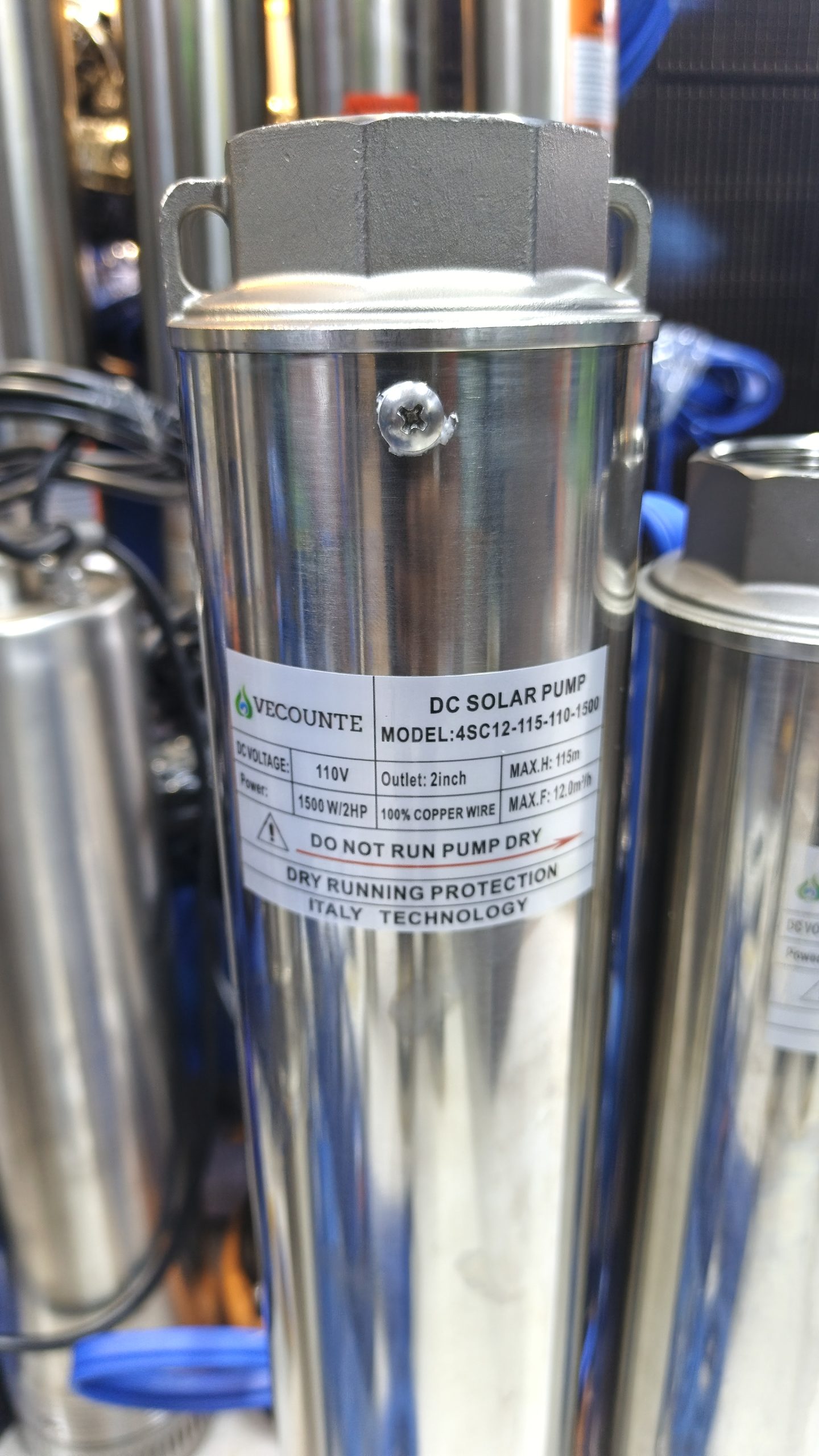
Installed inside boreholes or wells and push water to the surface using solar power.
Best for:
Deep boreholes
Reliable water supply systems
Advantages:
Efficient for deep water
Protected inside the borehole
Long-lasting
Placed above the water source and draw water into the pump.
Best for:
Rivers, shallow wells, and tanks
Small farms and gardens
Advantages:
Easy to install
Lower cost than submersible systems
Operate directly from solar panels without needing an inverter.
Best for:
Small to medium applications
Off-grid use
Advantages:
Higher efficiency
Simpler system design
Use an inverter to convert solar power into AC electricity.
Best for:
Larger systems
Existing electric pump setups
Advantages:
Can integrate with grid or generator
Flexible operation
Prices depend on pump size, solar panel capacity, and system design.
| Pump Type | System Size | Typical Price (KSh) | Notes |
|---|---|---|---|
| Small Solar Pump Kit | 0.5HP – 1HP | 25,000 – 80,000 | Small farms and homes |
| Medium Solar Pump System | 1HP – 3HP | 80,000 – 200,000 | Common rural applications |
| Large Solar Pump System | 3HP – 5HP | 200,000 – 400,000+ | Boreholes and irrigation |
| High Capacity Solar System | 5HP+ | 400,000 – 800,000+ | Large farms and institutions |
| Solar Submersible Pump Only | — | 30,000 – 150,000 | Pump without panels |
Installation, mounting, and wiring costs are often separate.
Higher horsepower pumps require more solar panels, increasing total cost.
Deeper boreholes need stronger pumps and larger solar arrays.
More panels are required to generate enough power for higher water demand.
Controllers, inverters, and mounting structures affect the total price.
Higher daily water usage increases system size and cost.
Household use
Irrigation
Livestock watering
Borehole depth
Water level
Distance to storage tank
Solar systems are sized based on how much water is needed per day, not per minute.
Ensure the solar panels generate enough power to run the pump effectively during sunlight hours.
Use storage tanks to keep water for use at night or during cloudy days.
Position solar panels where they receive maximum sunlight
Mount panels securely and at the correct angle
Use proper wiring and waterproof connections
Install a controller to protect the pump
Work with qualified technicians for setup
Clean solar panels regularly to remove dust
Check wiring and connections
Inspect pump performance
Monitor system output
Protect components from weather damage
No Fuel or Electricity Costs
Runs entirely on sunlight.
Ideal for Remote Areas
Perfect for off-grid farms and homes.
Low Maintenance
Fewer moving parts compared to engine pumps.
Environmentally Friendly
Produces no emissions.
Long-Term Savings
Higher initial cost but lower operating expenses over time.