Showing 1–16 of 61 results


Water pumps are machines that move water from one place to another. In Kenya, they are essential for supplying water to homes, farms, boreholes, businesses, and irrigation systems.
A good pump can make a big difference in daily life, crop yield, and livestock care.
This guide covers the main types of water pumps in Kenya, typical uses, price ranges, and how to choose the right one.
A water pump is a device that pushes water by mechanical action. Pumps use electric motors, petrol/diesel engines, or solar power as energy sources.
In Kenya, pumps are used for:
Bringing water up from boreholes
Irrigating farms and gardens
Supplying water to homes and businesses
Draining flooded areas or holding tanks
Filling tanks, reservoirs, or livestock troughs
These pumps are placed inside the water (borehole or well). They push water up to the surface.
Best for: deep wells, boreholes, tanks.
Common ratings: 0.5HP to 5HP+
Advantages: quiet, efficient, long‑lasting.
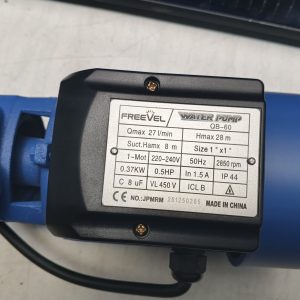
These pumps sit above the water and draw water into the pump using a spinning impeller.
Best for: shallow water sources, garden irrigation, household supply.
Typical sizes: 0.5HP to 3HP.
Jet pumps use a nozzle and venturi system to draw deeper water than normal surface pumps.
Best for: shallow wells or boreholes up to ~25m.
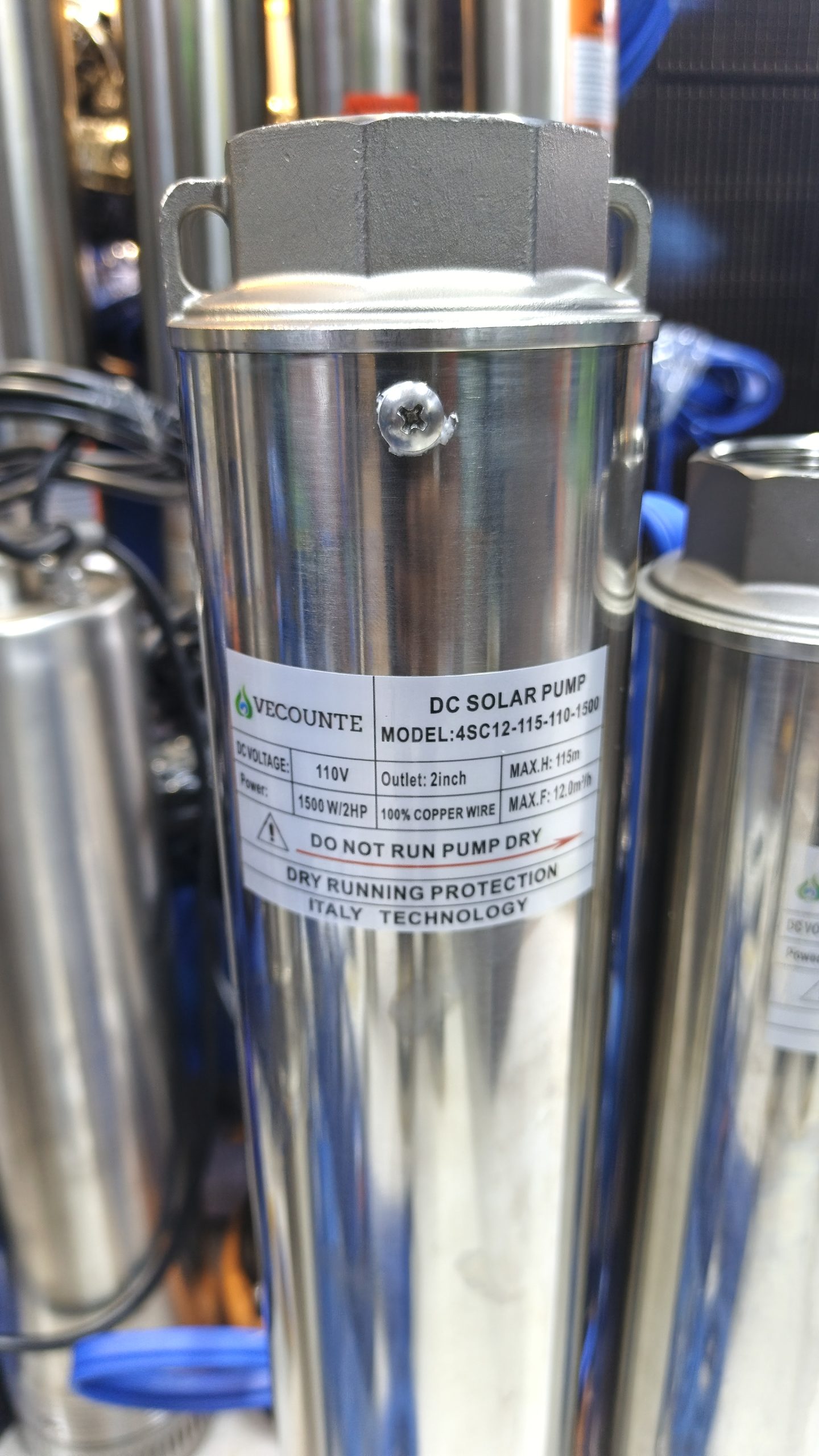
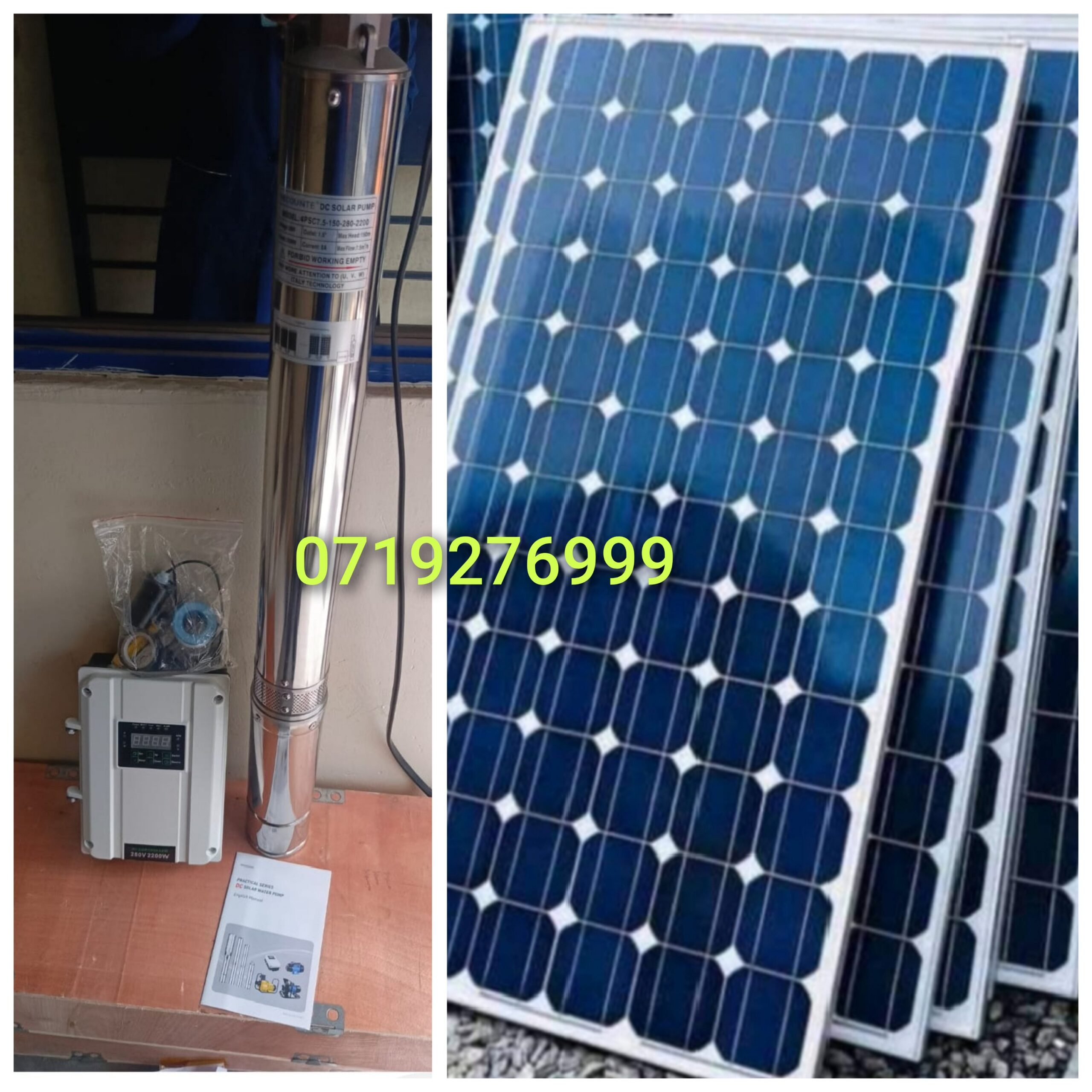
Solar pumps use solar panels instead of electricity or fuel.
Best for: remote farms, off‑grid locations, livestock watering.
Designed to handle water with solids (grass, debris).
Best for: draining ponds, construction sites, flooded areas.
All prices are approximate and vary by brand, seller, and features.
| Pump Type | Power Source | Typical Price (KSh) | Notes |
|---|---|---|---|
| Small Submersible Pump (0.5HP) | Electric | 9,000 – 18,000 | For shallow boreholes |
| Mid Submersible (1HP – 2HP) | Electric | 18,000 – 45,000 | Common home borehole use |
| Large Submersible (3HP+) | Electric | 45,000 – 120,000+ | Deep wells and heavy use |
| Surface / Centrifugal Pump | Electric | 8,000 – 40,000 | Garden & domestic supply |
| Jet Pump | Electric | 12,000 – 35,000 | For deeper shallow wells |
| Solar Water Pump Kit | Solar | 25,000 – 180,000+ | Depends on power & panels |
| Trash / Self‑Priming Pump | Petrol/Diesel | 15,000 – 75,000 | For solids & debris pumping |
| Petrol / Diesel Engine Pump | Engine | 25,000 – 120,000+ | Heavy duty & remote use |
Prices vary by brand, seller, city, and warranty.
1. Power / Horsepower (HP)
More powerful pumps cost more due to stronger motors.
2. Pump Type and Design
Submersible and solar pumps are priced higher than simple surface pumps.
3. Materials and Build Quality
Stainless steel bodies, sealed motors, and corrosion resistance increase cost and durability.
4. Energy Source
Solar‑powered pumps cost more upfront but save fuel and electricity over time.
Here’s how to pick a pump that fits your needs:
Home water supply
Borehole deeper than 20m
Farm irrigation
Livestock watering
Flood or pond draining
Depth of well or borehole
Distance from water source to discharge point
Electric: cheapest to run if grid power is available
Solar: good for remote locations
Petrol/Diesel: good where electricity isn’t available
Flow rate (litres/minute): how much water the pump delivers
Head (vertical lift): how high water must be pushed
Make sure the pump’s rating covers your needs.
Installation
Mount pumps on stable, level ground
Use proper fittings and check seals
Protect electrical connections from rain
Maintenance
Clean filters and strainers regularly
Change oil for petrol/diesel pumps
Check wiring and insulation
Lubricate bearings if applicable
Inspect impellers for wear
Proper care extends pump life and saves fuel or electricity.
Reliable Water Supply
No more waiting for water tanks or manual fetching.
Increased Farm Productivity
Water for irrigation boosts crop yield.
Better Home Life
Steady water for showers, kitchens, toilets.
Time Saved
Less manual pumping or bucket filling.
Supports Livestock Needs
Efficient watering for cattle, goats, poultry.